
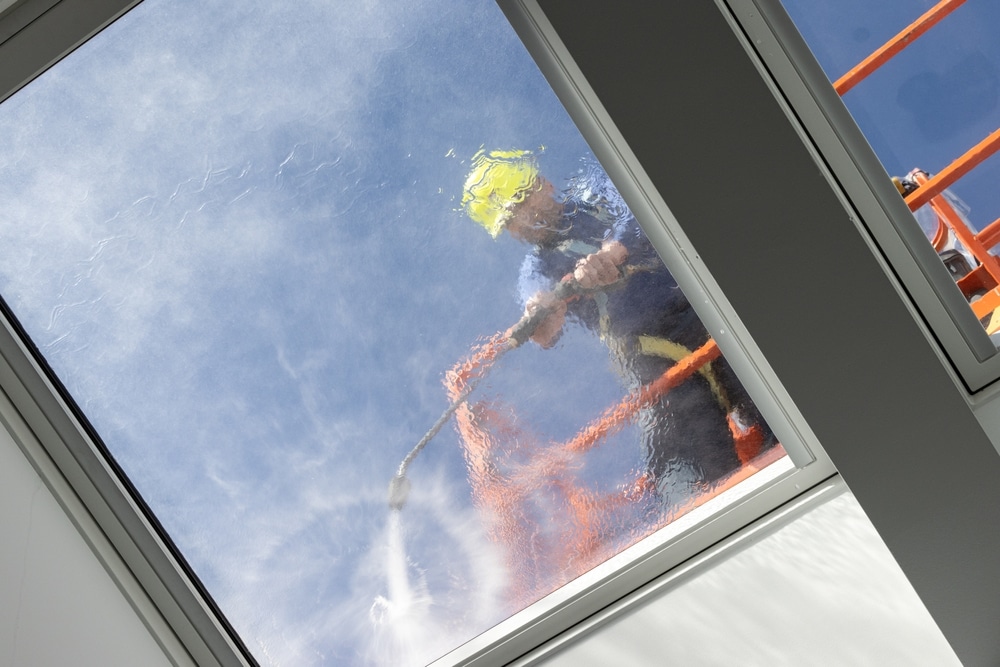
Many homeowners struggle with the tedious chore of scrubbing exterior glass by hand, often leaving streaks behind. Learning how to clean windows with a power washer can change this difficult job into a fast and satisfying project.
This method uses the force of water to remove grime, mold, and dust that accumulates over the seasons. However, using high pressure requires specific techniques to avoid shattering glass or damaging fragile seals around the frame.
You must understand the correct pressure settings and nozzle types before you pull the trigger on your machine. A standard pressure washer packs enough force to strip paint, so treating glass requires a gentle touch and the right equipment.
We will guide you through the process of washing your windows safely and effectively using power equipment. The goal is to achieve sparkling results on your own, although for the most delicate or difficult jobs, looking into professional power washing in Huntingdon Valley is always a safe backup plan.
Understanding the Risks and Rewards
Using a pressure washer on glass surfaces offers a significant advantage in speed and reach compared to traditional methods. You can easily blast away cobwebs from second-story corners that would usually require a dangerous ladder climb.
The water pressure also penetrates textured screens and frames where dirt likes to hide from sponges. This efficiency makes it a popular choice for maintaining the exterior of large homes.
However, the risks involved with this method are real and require your full attention during the process. If you are unsure about your ability to handle this equipment safely, it is often better to hire a specialist like D&K Powerwashing rather than risk expensive damage.
High pressure can break the seal on double-paned windows, leading to permanent fogging between the layers of glass.
Direct blasts can also shatter the glass pane itself if the pressure is too high or the angle is wrong. You must balance the power of the machine with the fragility of the surface you are cleaning.
The Danger of High Pressure
Most residential pressure washers operate between 1500 and 3000 PSI, which is far too strong for direct contact with glass. Hitting a window with this much force is similar to throwing a rock at it from close range.
You need to lower the pressure or use a technique that diffuses the water spray significantly. Never aim a zero-degree red nozzle at a window, as it acts like a water laser that cuts materials.
Damage often occurs to the surrounding areas rather than the glass pane itself during the cleaning process. The stream can force water behind vinyl siding or rip loose caulking from the window frames. This water intrusion can lead to mold growth inside your walls long after the windows dry. Always direct your spray at an angle that glances off the surface rather than hitting it head-on.
Essential Equipment for Window Cleaning
The success of your project depends heavily on selecting the correct tools for the job at hand. Not all pressure washers are suitable for delicate tasks like washing glass or cleaning screens. You generally want a machine that allows for pressure adjustment or accepts low-pressure nozzles.
Choosing the Right Pressure Washer
An electric power washer is usually the best choice for residential window cleaning tasks due to its lower PSI. Gas-powered units often produce too much force and are better suited for concrete driveways or stripping decks. Look for a unit that delivers between 1200 and 1800 PSI for safe operation on home exteriors.
Variable pressure wands are excellent features that give you total control over the water flow intensity. These wands allow you to dial down the strength when moving from the siding to the window glass. If you only have a high-powered gas unit, you must stand farther back to reduce the impact.
Nozzles and Attachments
The nozzle you choose dictates the shape and intensity of the water stream hitting your windows. You should use a white 40-degree tip or a black soaping tip for the majority of the work. These wide-angle nozzles spread the water out, reducing the force applied to any single square inch of glass.
An extension wand is a valuable accessory for reaching second-story windows without leaving the safety of the ground. This tool stabilizes the spray and helps you maintain a proper cleaning angle even at a distance. Telescoping wands can reach up to 24 feet, making them perfect for tall two-story homes.
Cleaning Solutions and Detergents
Water alone is rarely enough to remove stubborn grime, bird droppings, or sticky pollen from your exterior glass. A specialized cleaning solution formulated for pressure washers helps break down dirt so it rinses away easily. Avoid using standard dish soap, as it may not be compatible with your machine’s pump system.
Many professionals, like the specialists at D&K Powerwashing, prefer a simple mix of water and vinegar or a commercial glass cleaner safe for pressure washers. You should apply the detergent from the bottom up to prevent streaking on the glass surface. Allow the solution to dwell for a few minutes, but do not let it dry completely before rinsing.
Preparation Before You Wash
Taking time to prepare your work area prevents accidents and produces a much better final result. You need to inspect every window before you spray it to check for existing damage or gaps. A pre-wash inspection can save you thousands of dollars in water damage repairs later on.
Inspecting Seals and Frames
Walk around your house and closely examine the caulking and glazing around every window you plan to wash. Thorough technicians from D&K Powerwashing always prioritize this inspection to make sure high pressure doesn’t force water through gaps and potentially rot the wood framing.
If you see cracks, holes, or loose rubber seals, you should repair these issues before applying pressurized water. High pressure will force water through these gaps and potentially rot the wood framing inside the wall.
Pay close attention to older double-hung windows, as they often have less secure seals than modern fixed panes. If a window looks fragile or loose, skip the pressure washer and clean that specific one by hand. It is better to spend extra time scrubbing than to replace an entire window unit.
Protecting Surroundings
You must also consider the area around the window, including landscaping and outdoor furniture, before you start. For example, when performing power washing in Fort Washington, you often need to cover delicate flower beds common in the area. Strong detergents can harm flower beds, so pre-wetting plants with a garden hose helps dilute any runoff.
Close all windows and lock them tightly to create the best possible seal against the water pressure. Remove any external screens if possible, as they trap dirt and make it harder to clean the glass. If screens must stay in place, clean them gently to avoid stretching the mesh material.
How to Clean Windows with a Power Washer
- Apply Cleaning Solution
Attach the black soap nozzle to your pressure washer and fill the reservoir with your chosen cleaning solution. Spray the window from the bottom up to prevent streaks from forming on the dry glass. Cover the glass and the frame completely with foam and let it sit for two minutes.
Pro Tip: Do not pressure wash in direct sunlight, as the soap will dry too quickly and leave spots.
- Rinse with Low Pressure
Switch to a white 40-degree nozzle or a specialized rinsing tip to remove the soap and dirt. Stand at least three feet away from the window and spray at a 45-degree angle to the glass. Move the wand horizontally from top to bottom, allowing gravity to pull the dirty water down.
- Squeegee or Air Dry
For a spot-free finish, remove excess water immediately using a squeegee or a soft microfiber cloth. If you cannot reach the window, you can let it air dry, but this may leave minor water spots. Using purified water for the final rinse helps minimize spotting if you must let them dry naturally.
Warning: Never spray water directly into the weep holes at the bottom of the window frame. This can force water into the wall cavity and cause significant structural damage.
Advanced Techniques for Professional Results
Homeowners seeking more than a basic wash can adopt techniques used by industry experts, such as the team at D&K Powerwashing, to get crystal clear glass. The difference between a good job and a great job often comes down to water quality and specific tools. Professional window cleaners rarely use standard tap water for the final rinse because it contains minerals.
Using DI Water and Pure Water Systems
Tap water contains dissolved minerals like calcium and magnesium that leave white deposits when the water evaporates. Professionals use DI water (deionized water) or pure water systems to eliminate these impurities for a spotless finish. You can buy portable deionizing filters that attach to your garden hose specifically for this purpose.
When you rinse with pure water, the liquid acts like a magnet for dirt and leaves absolutely no residue behind. This allows you to let the windows air dry without worrying about ugly mineral spots ruining your work. While these systems require an initial investment, they are the secret to achieving a truly clean window.
Dealing with Hard Water Spots
If your windows already have hard water spots from sprinklers or previous washings, a standard pressure wash might not remove them. You may need to apply a specialized acidic cleaner or a mild abrasive paste by hand before rinsing. Hot water units can also help dissolve mineral buildup better than cold water machines.
Be careful when scrubbing coated glass, as abrasive materials can scratch the reflective or Low-E coatings. Always test your cleaning method on a small, inconspicuous corner of the glass first. Once the spots are gone, regular maintenance with clean water will prevent them from returning.
Common Mistakes to Avoid
Even with the best intentions, it is easy to make mistakes that damage your home when using a power washer. Understanding these common pitfalls helps you pressure wash windows safely and effectively. Patience and preparation are your best defenses against accidental damage.
Pressure Washing Double-Hung Windows
Owners of double-hung windows need to be extra careful because these units have more moving parts and seams. The gap between the upper and lower sash is a prime entry point for high-pressure water. If you spray directly at this seam, you will likely flood the interior track or even get water inside your house.
You should always keep the nozzle pointed downward when washing these types of windows to use gravity to your advantage. Tape over the seams with painter’s tape for an added layer of protection if you are unsure. This simple step prevents water from penetrating the overlap and damaging the interior sill.
Ignoring Weather Conditions
Weather plays a huge role in how effectively you can clean glass surfaces outdoors. Pressure washing on a hot, sunny day causes the soap to dry onto the glass before you can rinse it off. This results in stubborn streaks that are harder to remove than the original dirt.
The best time to pressure wash windows is on a cloudy day with low wind. Wind can blow the spray back onto you or carry the mist onto neighbors’ property. If you must work on a sunny day, work in small sections and keep the glass wet continuously.
Why Professional Expertise Beats Internet Advice
When it comes to maintaining your home’s exterior, the internet can be a double-edged sword. While a quick search might offer thousands of tips on pressure washing, it rarely warns you about the specific variables that apply to your unique property. Every home is a complex system of materials—vinyl, stucco, brick, and glass—all of which react differently to pressure and cleaning agents. Relying on general advice found in online communities is risky because it often overlooks these material nuances; the advice that worked for a stranger on a forum could easily lead to disaster for your specific siding or windows. What works for concrete will ruin wood, and what cleans brick might corrode aluminum.
Without professional training, it is incredibly easy to make costly mistakes. Using the wrong PSI (pounds per square inch) can shatter double-paned glass, etch permanent fog into your windows, or strip the protective coating off vinyl siding. Furthermore, mixing your own chemical solutions based on generic online recipes can result in ineffective cleaning or, worse, runoff that damages your landscaping and poses a risk to pets. We view exterior cleaning as a science, not just a chore. We understand the delicate balance required to clean your home safely, utilizing “soft wash” techniques for delicate surfaces rather than destructive high pressure to remove algae, mold, and grime without compromising the integrity of your surfaces.
Instead of spending your weekends hauling rental equipment and deciphering complex instruction manuals to find the right nozzle settings, let us bring our proven workflows to your doorstep. We have already vetted the best biodegradable detergents, calibrated our machines for precise pressure sensitivity, and established safety protocols for every surface of your home. We don’t just guess at the right mix; we use manufacturer-recommended ratios that clean effectively while protecting your property. Skip the trial-and-error and choose a partner who delivers a deeper, longer-lasting clean without the risk.
Conclusion
Pressure washing windows effectively is a science that balances chemical ratios, water pressure, and safety techniques. While the DIY route is an option, it often costs more in time and equipment than homeowners anticipate.
Don’t gamble with your glass. Trust the proven workflows and local expertise of D&K Powerwashing to deliver a streak-free shine without the hassle. If you are ready to see the difference professional care makes, contact us today!